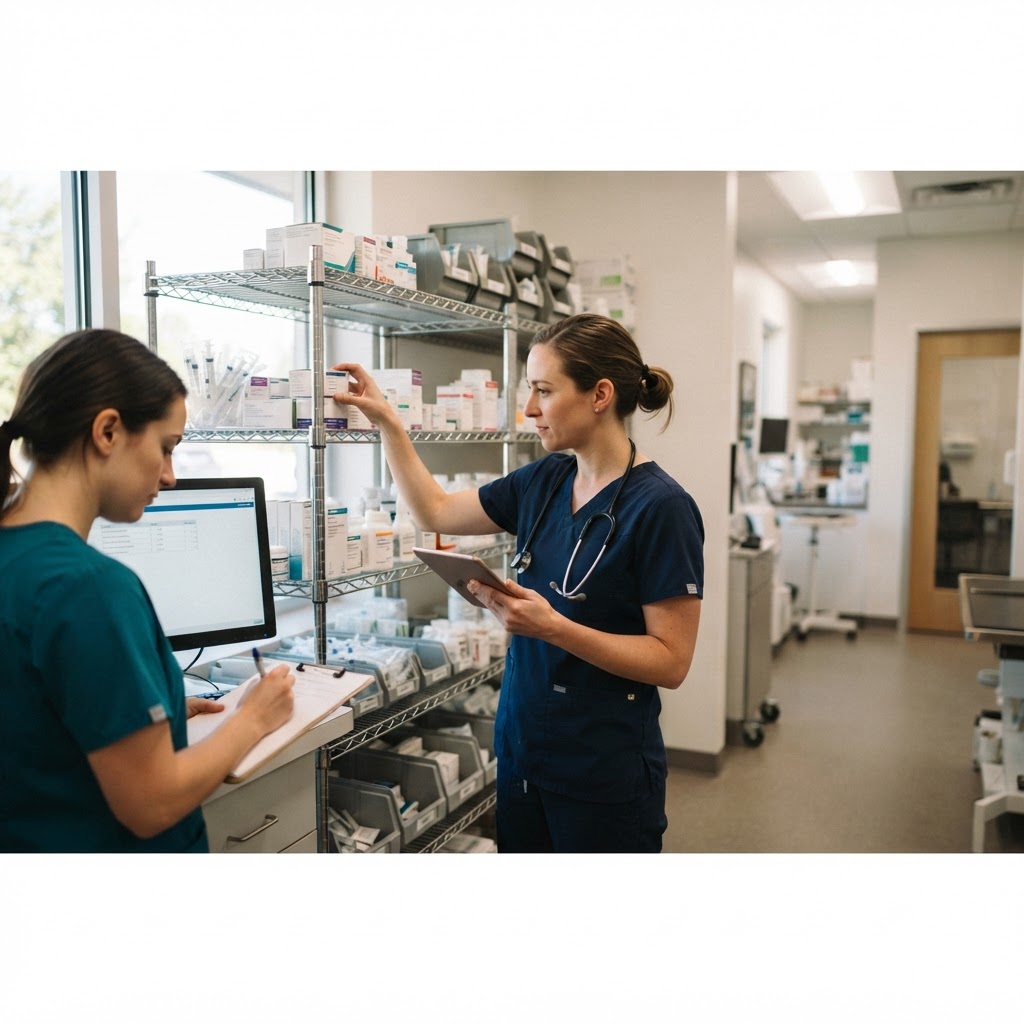
Veterinary OSHA Compliance Checklist: A Guide for GP Clinics
A practical guide and checklist for general practice veterinary clinics to maintain OSHA compliance, improve workplace safety, and avoid costly regulatory fines.
By Helpful.vet Team
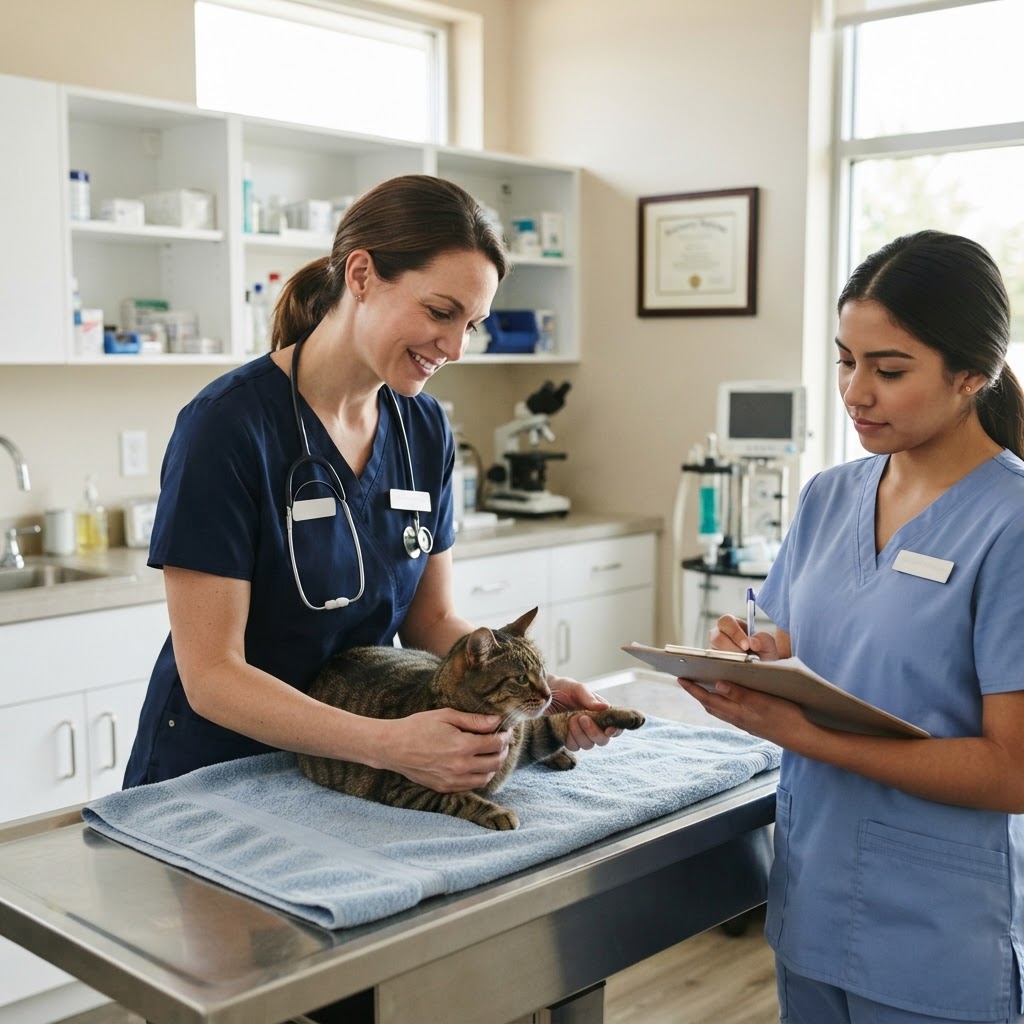
Navigating workplace safety in a busy general practice requires more than just common sense; it requires structured protocols. A comprehensive veterinary OSHA compliance checklist is an essential tool for protecting your team from daily hazards, reducing cognitive load, and avoiding severe regulatory penalties. With maximum fines for willful or repeated violations reaching up to $124,709 per violation according to OSHA Compliance Checklist: Avoiding Common Violations in Vet Practices, maintaining strict adherence to the Occupational Safety and Health Administration (OSHA) standards is a non-negotiable aspect of clinic operations.
Why OSHA Compliance Matters in General Practice
Veterinary medicine is inherently unpredictable. From fractious animals and hazardous chemicals to radiation exposure and ergonomic strain, GP teams face a unique matrix of daily risks. OSHA's General Duty Clause mandates that employers provide a workplace free from recognized hazards likely to cause serious physical harm. Beyond regulatory compliance, a structured safety program directly impacts team retention and mental well-being. When staff know they are in a workplace that prioritizes their physical safety, it reduces decision fatigue and builds psychological safety, freeing cognitive bandwidth for patient care.
To see how your clinic's operational health compares to industry standards, consider using our GP Practice Benchmark Tool.
The Core Veterinary OSHA Compliance Checklist
Use the following checklist to audit your clinic's current safety protocols. This covers the most common areas where veterinary practices face citations.
Administrative and Documentation Requirements
Proper documentation is the foundation of OSHA compliance. Inspectors will immediately look for required postings and written plans.
- Required Posters: Ensure the Job Safety & Health Protection Poster (OSHA 3165) or your state's equivalent is displayed in a highly visible area, such as the breakroom.
- Injury Logs: For practices with 11 or more employees, maintain the Summary of Occupational Injuries and Illnesses (OSHA 300 & 300A) and the Supplementary Record (OSHA 301).
- Written Safety Plan: Practices with 10 or more employees must have a formal, written safety and emergency action plan. This should include clearly labeled escape routes and fire extinguisher locations.
Hazard Communication and Chemical Safety
Veterinary clinics utilize numerous hazardous chemicals, from cleaning agents to anesthetic gases. A robust hazard communication plan is critical.
- Safety Data Sheets (SDS): Maintain an up-to-date SDS for every chemical used in the practice. Digital management systems can streamline this, but all employees must know how to access them immediately.
- Secondary Container Labeling: Ensure all secondary containers (like diluted cleaning spray bottles in exam rooms) are clearly labeled with the chemical name and appropriate hazard warnings.
- Chemotherapy Protocols: If your GP clinic administers chemotherapy, it must be done in a single-purpose room with restricted access, a Biological Safety Cabinet (BSC), posted spill clean-up procedures, and a readily available spill response kit.
Radiation and Laser Safety
Radiographs are a daily diagnostic tool, making radiation safety a top priority for OSHA inspectors.
Where is your workflow slowing down?
Take the free 3-minute GP Clinic Workflow Score and see where your daily workflow is strong, where friction builds up, and what to improve first.
Get Your Workflow Score- Dosimetry Badges: All team members involved in taking radiographs must wear dosimetry badges. Exposure measurements must be reported to employees at least once annually.
- Protective Equipment: Lead aprons and gloves are strictly required. Thyroid shields, while sometimes categorized as recommended, should be standard practice in your clinic.
- Room Requirements: The radiology area must have appropriate caution signs and warnings posted on the doors.
Infection Control and Medical Waste
Handling biological hazards requires strict adherence to infection control protocols to prevent zoonotic disease transmission and needle-stick injuries.
- Sharps Disposal: Yellow or red sharps containers must be located at the point of use, clearly labeled, and never overfilled. Empty them regularly according to local medical waste regulations.
- Food and Drink Restrictions: Strictly enforce policies keeping food and drinks out of clinical areas. Food preparation and consumption must be completely separated from the lab, treatment area, kennels, and pharmacy.
- First Aid: Maintain a fully stocked workplace first aid kit and post contact information for local Urgent Care and EMS.
Anesthesia and Compressed Gas Safety
Anesthetic gases pose a significant risk if not properly managed and scavenged.
- Scavenging Systems: Ensure active or semi-active scavenging systems are functional and regularly maintained. The anesthesia area must be well-ventilated.
- Machine Maintenance: Keep detailed logs of regular maintenance and pressure testing for all anesthesia machines.
- Cylinder Storage: All compressed gas cylinders (oxygen, etc.) must be stored upright and securely chained or strapped to a wall or sturdy cart to prevent tipping.
Implementing a Culture of Safety
Compliance is not a one-time event; it requires ongoing effort and a culture that prioritizes safety over speed. According to Patient safety culture is needed in veterinary medicine, psychological safety is required for team members to identify and speak up about areas of concern. If a veterinary technician notices a frayed electrical cord or an overfilled sharps container, they must feel empowered to report it without fear of reprimand or being ignored.
Leadership must generate and support policies that lay this foundation. This includes regular safety meetings—ideally monthly—to cover necessary training topics and provide an open forum for safety-related concerns. Emphasize that these protocols are in place out of genuine concern for the worker's safety, not just to check a regulatory box.
Workflow Integration: Making Safety Routine
The most effective way to maintain OSHA compliance is to integrate safety checks into your daily and weekly workflows. Relying on memory leads to standard of care drift and safety lapses.
- Daily Walkthroughs: Assign a rotating safety officer (this can be a different vet tech or assistant each week) to perform a 5-minute morning walkthrough. They should check that exit routes are clear, sharps containers have capacity, and fire extinguishers are accessible.
- Weekly Audits: Incorporate a weekly check of the eye-wash station, anesthesia scavenging systems, and secondary container labels.
- Monthly Training: Develop a 12-month safety training calendar. Dedicate 15 minutes of your monthly staff meeting to a specific OSHA topic, such as proper animal restraint techniques, ergonomic lifting, or reviewing the hazard communication plan.
By embedding these checks into your routine, you reduce the cognitive load on your team. To evaluate how smoothly your current processes are running, utilize our GP Clinic Workflow Score tool. A safe clinic is an efficient clinic. When you prioritize a veterinary OSHA compliance checklist, you protect your most valuable asset: your team.

Helpful.vet Team
ContributorA veterinary professional contributing practical insights to Helpful.vet.
More about Helpful.vetFrequently asked questions
The most common OSHA violations in veterinary practices include inadequate hazard communication plans, missing Safety Data Sheets (SDS), improper labeling of secondary chemical containers, and failure to provide or enforce the use of proper personal protective equipment (PPE) like lead aprons during radiographs.
OSHA requires that all employees receive safety training upon initial hiring and whenever a new hazard is introduced into the workplace. Additionally, it is highly recommended to conduct monthly safety meetings to ensure all relevant topics, such as bloodborne pathogens and radiation safety, are reviewed at least once annually.
Yes, all veterinary practices, regardless of size, must have a hazard communication plan if employees are exposed to hazardous chemicals. However, the requirement for a formal, written emergency action and fire prevention plan typically applies to practices with 10 or more employees.
OSHA requires that veterinary clinics designate specific areas for radiation use, post appropriate caution signs, and provide necessary PPE such as lead aprons and gloves. Furthermore, all staff involved in taking radiographs must wear dosimetry badges to track exposure, with results reported to them annually.
Medical disclaimer: Helpful.vet provides educational and workflow-related information for veterinary professionals. It does not provide medical advice, diagnosis, or treatment recommendations. Clinical decisions should always be made by a licensed veterinarian using patient-specific history, examination findings, diagnostics, and professional judgment. See our full medical disclaimer.
Get more practical GP tools in your inbox
Short, useful resources for veterinary practice teams.