Veterinary Triage Protocols: A Workflow Guide for GP Clinics
Without clear veterinary triage protocols, general practices lose hours to scheduling chaos and unnecessary emergency referrals. Learn how to build a 3-tier triage system that protects your schedule and your team.
By Helpful.vet Team
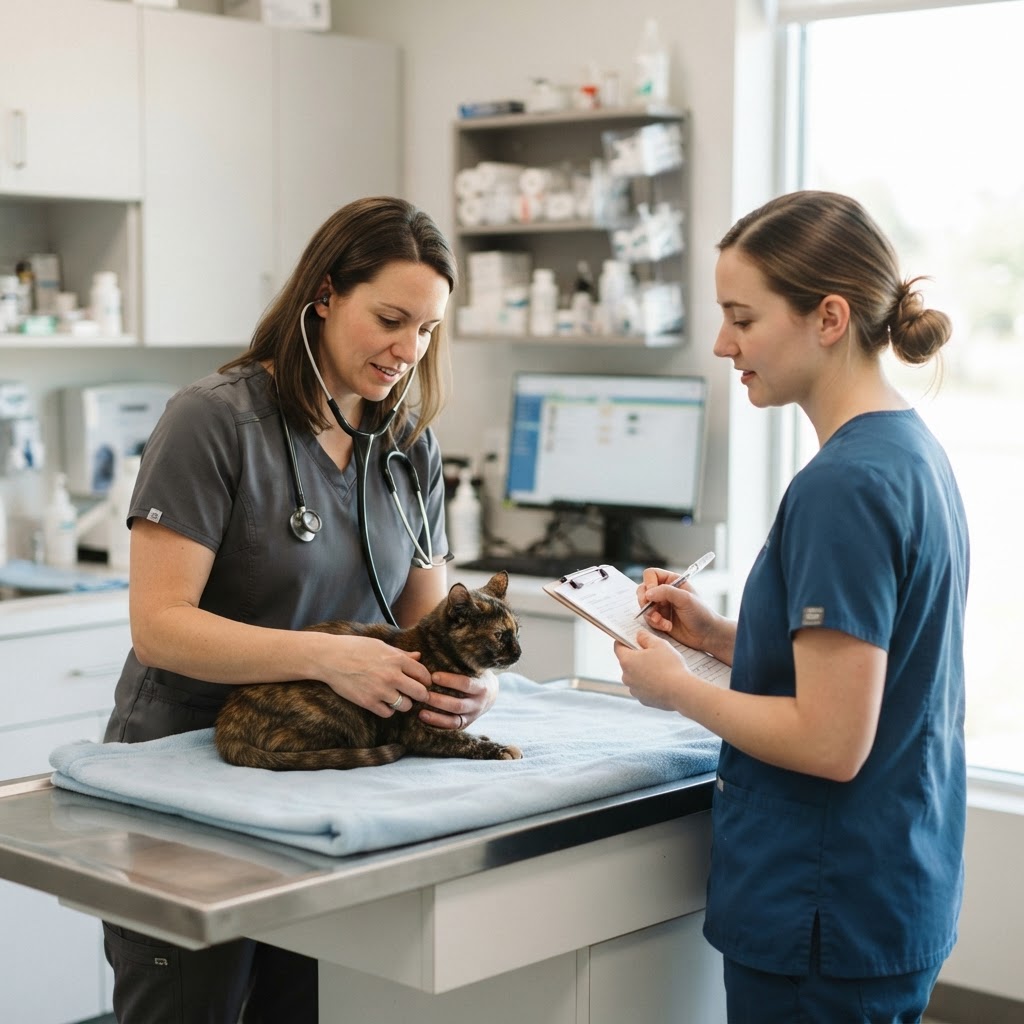
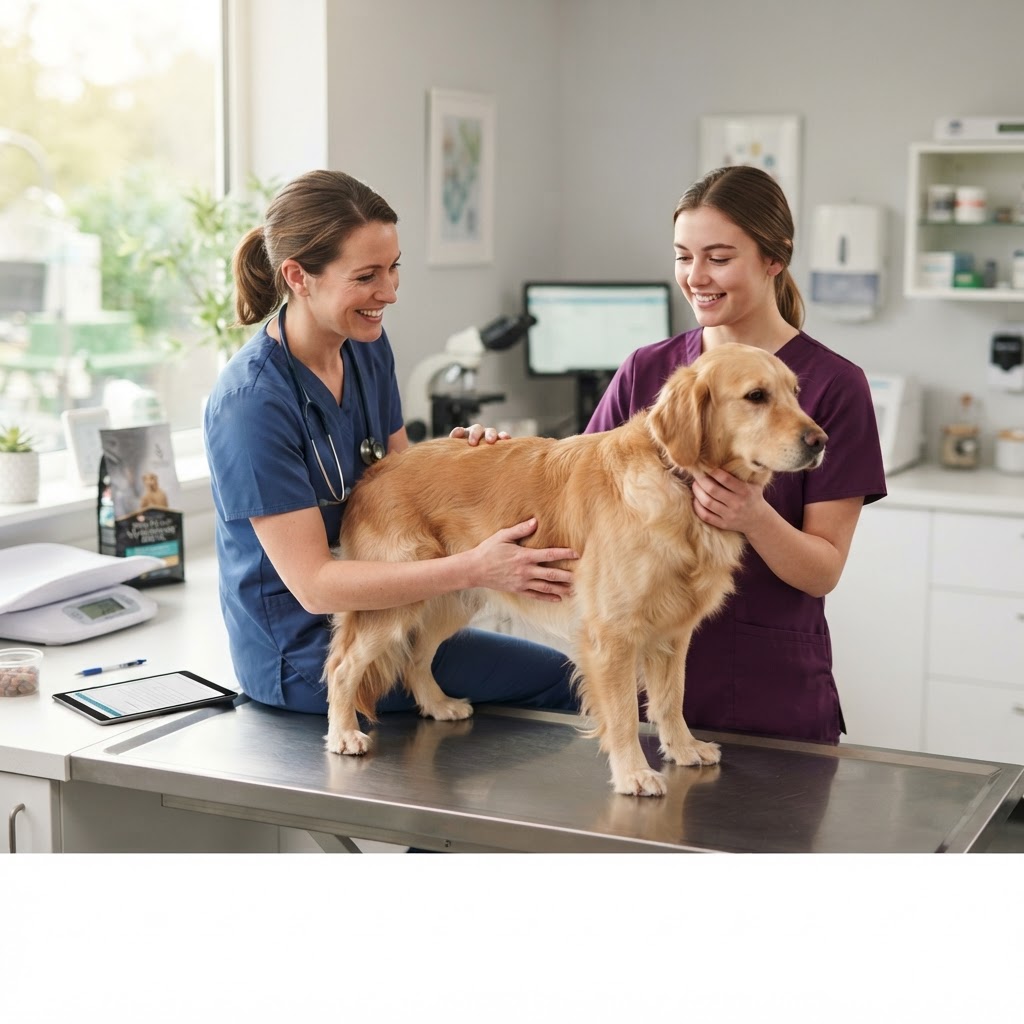
In a busy general practice, the line between a true medical emergency and a minor concern is often blurred by anxious pet owners. When a client calls in a panic because their dog is vomiting, or walks in unannounced with a limping cat, your team's immediate response dictates the flow of the entire day. Without standardized veterinary triage protocols, clinics suffer from double-booked schedules, delayed appointments, and severe team burnout.
Triage, derived from the French word meaning "to sort," is not just for 24/7 emergency hospitals. In general practice (GP), triage is a critical operational workflow. It empowers your front desk and veterinary technicians to quickly categorize patients based on urgency, ensuring that critical cases receive immediate attention while non-urgent cases are scheduled appropriately. According to recent industry benchmarking data, roughly 60% of urgent or after-hours calls to general practices involve conditions that could safely wait for a standard appointment. Capturing and correctly routing that 60% is the key to a sustainable clinic workflow.
Why GP Clinics Need Formal Triage Protocols
Many general practices operate on an informal, "first-come, first-served" basis for phone calls and walk-ins, relying on the intuition of whoever happens to answer the phone or stand at the front desk. This ad-hoc approach creates significant operational bottlenecks.
Implementing formal veterinary triage protocols provides three distinct operational advantages:
- Schedule Protection: By accurately identifying non-urgent cases, you prevent unnecessary same-day work-ins that derail your appointment book and cause standard appointments to run late.
- Team Empowerment: Customer Service Representatives (CSRs) and veterinary technicians can confidently manage client expectations using approved decision trees, reducing the need to constantly interrupt veterinarians for scheduling permission.
- Patient Safety: A standardized system ensures that life-threatening conditions (like respiratory distress or toxin ingestion) are immediately identified and either stabilized or routed directly to an emergency facility.
To see how your current patient routing is impacting your overall efficiency, consider running your team through the GP Clinic Workflow Score tool to identify immediate bottlenecks.
The 3-Tier Triage Framework for General Practice
While emergency rooms often use complex 4- or 5-tier systems, general practices benefit most from a streamlined 3-tier framework. This keeps decision-making fast and actionable for GP staff.
Tier 1: Immediate / Emergency (Red)
These are life-threatening conditions that require immediate medical intervention. In a GP setting, the protocol for Tier 1 is to bypass the waiting room entirely. The patient should be taken directly to the treatment area for stabilization by a veterinarian, or, if the clinic is unequipped for the specific emergency, the client should be immediately redirected to the nearest 24-hour ER.
Common GP Examples: Respiratory distress, collapse, active seizures, suspected gastric dilatation-volvulus (GDV), known ingestion of highly toxic substances, severe trauma, or straining to urinate (especially in male cats).
Tier 2: Urgent / Work-In (Yellow)
These patients are stable but require medical attention within 12 to 24 hours to prevent their condition from deteriorating. The protocol for Tier 2 is to utilize designated "work-in" or "urgent care" slots built into your daily schedule. If no slots are available, these patients may be offered a drop-off appointment so the veterinarian can examine them between scheduled visits.
Common GP Examples: Repeated vomiting or diarrhea (without collapse), minor lacerations, acute lameness, ear infections with severe discomfort, or allergic reactions (facial swelling without respiratory distress).
Tier 3: Non-Urgent / Routine (Green)
These are stable patients with chronic or minor issues that do not require same-day attention. The protocol here is to schedule the patient for the next available standard appointment, which may be days or even weeks away. Educating the client on why their pet is safe to wait is a crucial part of this step.
Common GP Examples: Chronic itching, mild limping that has been present for several days, single episodes of vomiting with normal behavior, or routine preventive care questions.
Developing Phone Triage Protocols for CSRs
Your front desk team is the first line of defense in your triage system. However, CSRs must never diagnose or offer medical advice. Instead, they should be equipped with strict decision trees that guide them to ask the right questions and route the call accordingly.
When a client calls with a sick pet, CSRs should be trained to quickly assess the "ABCs" and mentation over the phone by asking targeted questions:
Where is your workflow slowing down?
Take the free 3-minute GP Clinic Workflow Score and see where your daily workflow is strong, where friction builds up, and what to improve first.
Get Your Workflow Score- Airway/Breathing: "Is your pet breathing normally, or are they panting heavily, wheezing, or struggling for air?"
- Circulation/Bleeding: "Is there any active bleeding that won't stop with pressure? Are their gums pink, or are they pale/blue?"
- Mentation: "Is your pet responsive to you, or are they lethargic, stumbling, or unresponsive?"
If the answer to any of these indicates a critical issue, the CSR immediately triggers the Tier 1 protocol. If the pet is stable, the CSR moves down the decision tree to determine if it is a Tier 2 (same-day) or Tier 3 (future appointment) situation. To evaluate how effectively your front desk is handling these high-stress conversations, you can use the Client Communication Score tool.
Walk-In Triage: Managing the Unexpected
When a client walks through the door with a sick or injured pet, the dynamics change. The visual impact of the patient requires immediate assessment. This is where your veterinary technicians take the lead.
"Triage is one of the most important skills a veterinary technician can have. Failure to triage appropriately may mean life or death for the patient."
Every walk-in should be subject to a 60-second visual assessment by a trained technician or triage nurse. This assessment should not happen in the exam room; it should happen immediately upon arrival. The technician evaluates:
- Respiratory rate and effort: Open-mouth breathing in cats, exaggerated abdominal effort in dogs.
- Gait and posture: Inability to walk, severe head tilt, or "praying" posture indicating abdominal pain.
- Level of consciousness: Alert and responsive versus dull, delirious, or comatose.
If the technician identifies a Tier 1 emergency, they must have the operational authority to take the pet directly to the treatment area, instructing the CSR to handle the client's paperwork and consent forms after the pet is secured.
Automating and Modernizing Your Triage Workflow
As veterinary technology advances, many GP clinics are turning to automated triage tools to reduce the burden on their staff, particularly for after-hours calls and digital inquiries. Automated symptom assessment tools use decision-tree logic to evaluate client inputs.
For example, if a client uses a clinic's app or website chat to report a sick pet, the software asks a series of standardized questions. Based on the responses, the system assigns an urgency score. True emergencies (respiratory distress, known toxins) trigger an immediate recommendation to visit the nearest 24-hour ER, complete with directions. Non-urgent cases are directed to book a same-day or next-day appointment directly into the clinic's Practice Management Software (PMS).
Data shows that implementing automated triage can reduce unnecessary ER referrals by 30-40%, keeping revenue in the GP clinic for cases that can safely wait, while simultaneously reducing the number of after-hours calls that veterinarians have to field manually.
Training and Auditing Your Triage Standards
A protocol is only as good as the team executing it. Implementing veterinary triage protocols requires dedicated training and ongoing auditing. You cannot simply hand a decision tree to a new hire and expect flawless execution.
Role-Playing Scenarios
Dedicate time during monthly staff meetings to role-play common triage scenarios. Have a veterinarian act as a panicked client describing a pet that has been vomiting. Allow the CSRs and technicians to work through the decision tree out loud. This builds muscle memory and confidence, ensuring that when a real emergency happens, the team relies on their training rather than panicking.
Tracking Triage KPIs
To ensure your triage system is working, track your "Correct Urgency Classification Rate." This metric measures how often a patient was correctly categorized. For example, if a CSR books a "limping dog" as a Tier 1 emergency, disrupting the schedule, only for the vet to find a minor torn nail that could have waited three days, that is an incorrect classification.
A healthy GP clinic should aim for a correct urgency classification rate of 92% or higher. If your rate falls below this, it indicates a need to refine your decision trees or provide additional training to your front desk staff. Regularly reviewing these cases in a non-punitive, educational manner fosters a culture of continuous improvement.
Conclusion: Protecting Your Practice
Veterinary triage protocols are not just medical necessities; they are the operational foundation of a well-run general practice. By implementing a clear 3-tier system, empowering your CSRs with decision trees, utilizing your technicians for rapid visual assessments, and exploring automated digital tools, you can regain control of your schedule. The result is a calmer waiting room, a more efficient veterinary team, and a higher standard of care for the patients who truly need it most.

Helpful.vet Team
ContributorA veterinary professional contributing practical insights to Helpful.vet.
More about Helpful.vetFrequently asked questions
Most clinics can implement and train their staff on a new triage system in 2 to 4 weeks. The majority of this time should be spent role-playing scenarios and familiarizing the team with decision trees rather than technical setup.
CSRs should never diagnose or provide medical advice. However, they are essential for operational triage, using strict, veterinarian-approved decision trees to route calls to the appropriate appointment type or emergency facility.
The most critical metric is the 'Correct Urgency Classification Rate,' which should ideally be 92% or higher. You can also track the reduction in schedule overruns and the decrease in unnecessary after-hours call-backs.
ER triage focuses on immediate life-saving interventions, ICU admission, and managing critical trauma. GP triage focuses on sorting cases into immediate ER referral, same-day work-ins, or future routine appointments to protect the daily schedule.
Medical disclaimer: Helpful.vet provides educational and workflow-related information for veterinary professionals. It does not provide medical advice, diagnosis, or treatment recommendations. Clinical decisions should always be made by a licensed veterinarian using patient-specific history, examination findings, diagnostics, and professional judgment. See our full medical disclaimer.
Get more practical GP tools in your inbox
Short, useful resources for veterinary practice teams.