Vet Clinic Exam Room Efficiency: A Workflow Checklist for GP Teams
Improve vet clinic exam room efficiency with our practical workflow checklist. Empower your team, reduce stress, and reclaim lost time in your GP practice.
By Sample Hubspot User
Imagine it is 2:00 PM on a Tuesday and your team is already forty-five minutes behind schedule because a single routine wellness exam took twice as long as expected. Every veterinarian knows the feeling of watching the day unravel while technicians wait for direction in the hallway. It is a frustrating, daily cycle that drains morale. Maintaining vet clinic exam room efficiency isn't just about moving faster; it's about ensuring every team member knows their exact role before the door even opens.
We understand that a predictable schedule often feels like a luxury in a busy general practice setting. This guide will show you how to reclaim lost time and reduce appointment stress with a practical, step-by-step framework designed for busy teams. We will break down a repeatable workflow that empowers your technicians to lead the visit and allows doctors to focus on clinical decision making. You'll gain a clear checklist to help your team transition from reactive chaos to organized, high-quality care.
Key Takeaways
- Learn how to identify and eliminate common operational bottlenecks that cause appointments to run late, such as missing equipment or disorganized prep work.
- Optimize your team's workflow by implementing the "Doctor as Closer" model to significantly enhance vet clinic exam room efficiency.
- Implement a step-by-step checklist for pre-exam preparation and room entry to ensure every visit stays on track from the very beginning.
- Use data-driven clinic benchmarks to measure success and identify specific areas where your team can reclaim valuable clinical time.
Identifying Common Barriers to Vet Clinic Exam Room Efficiency
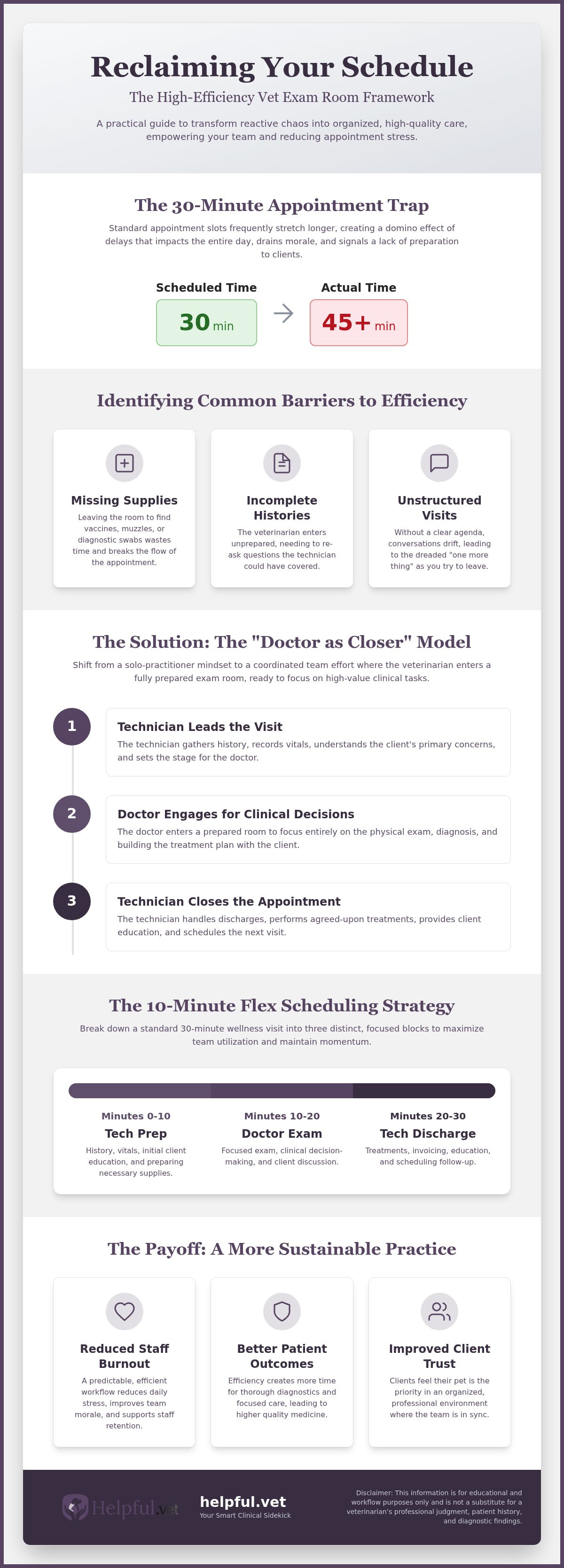
In most general practices, a 30 minute appointment slot is the standard. However, these visits frequently stretch to 45 minutes or longer, causing the entire day to lag. This isn't usually due to medical complexity. Instead, it's often the result of systemic friction. When a veterinarian has to leave the room three times to find a working otoscope or a specific size of muzzle, vet clinic exam room efficiency plummets. This "room hunting" doesn't just waste time; it signals a lack of preparation that clients notice immediately.
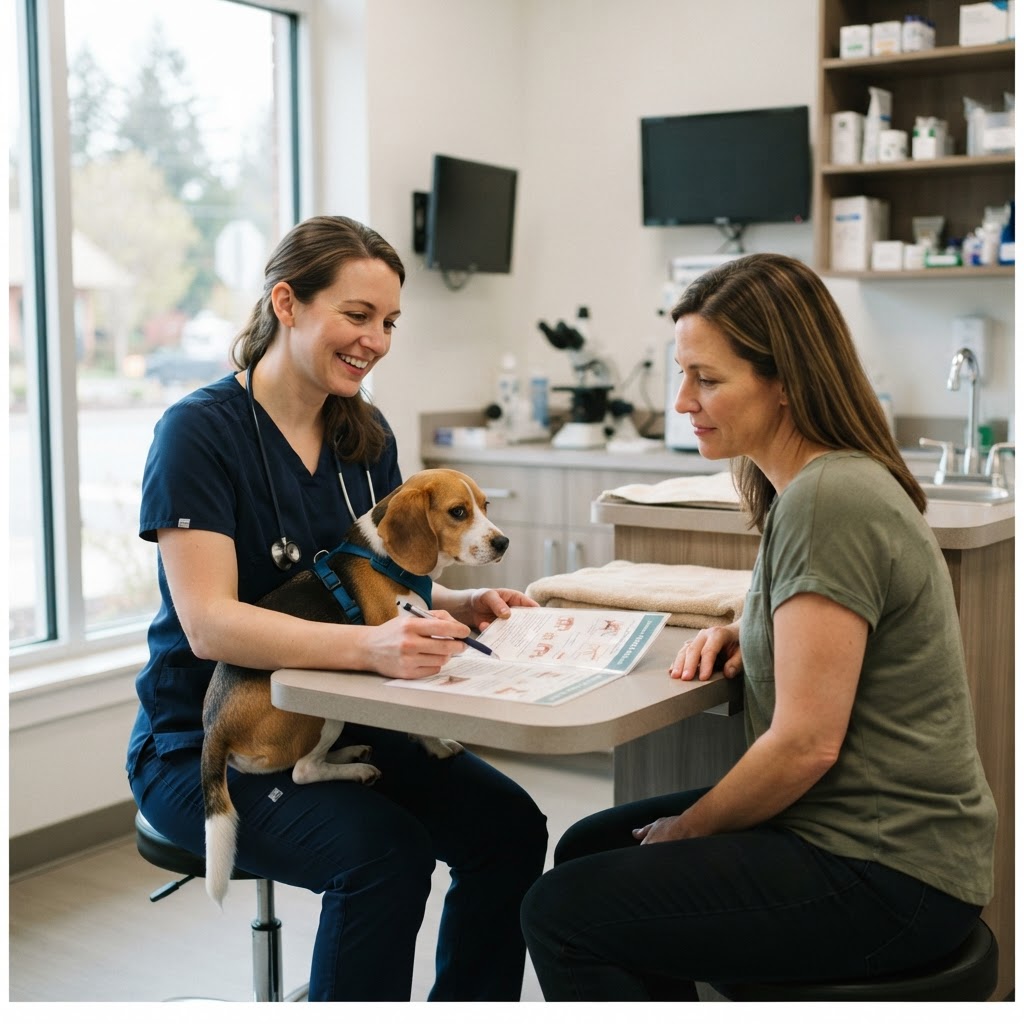
Communication barriers also play a significant role. Many teams try to multitask by typing notes or checking emails during the physical exam. While this feels efficient, it can actually damage client trust. Owners want to feel that their pet is the priority. Additionally, chatty clients are often a symptom of an unstructured visit. Without a clear agenda set at the start, clients may fill the silence with irrelevant details, leading to the dreaded "one more thing" question as you're trying to exit.
The Hidden Time Sinks in General Practice
Small delays compound quickly. The three most common bottlenecks include:
- Missing Supplies: Searching for vaccines or diagnostic swabs mid-appointment.
- Incomplete Histories: Doctors entering the room without knowing the primary concern.
- Late Arrivals: Clients arriving ten minutes past their time without a buffer policy.
These issues create a domino effect. A five minute delay in the first room often becomes a twenty minute delay by noon.
Why This Matters for GP Teams
Protecting your workflow is about more than just the clock. Efficiency directly impacts staff retention by reducing the daily burnout associated with playing catch up. When the team isn't rushed, they can perform more thorough diagnostics, leading to better patient outcomes. Modern operational standards emphasize that a well-run clinic supports both employee relations and evidence-based practice. You can use the GP Practice Benchmark Tool to see how your current room times compare to industry standards.
The Exam Room Dance: Optimizing Roles for Maximum Flow
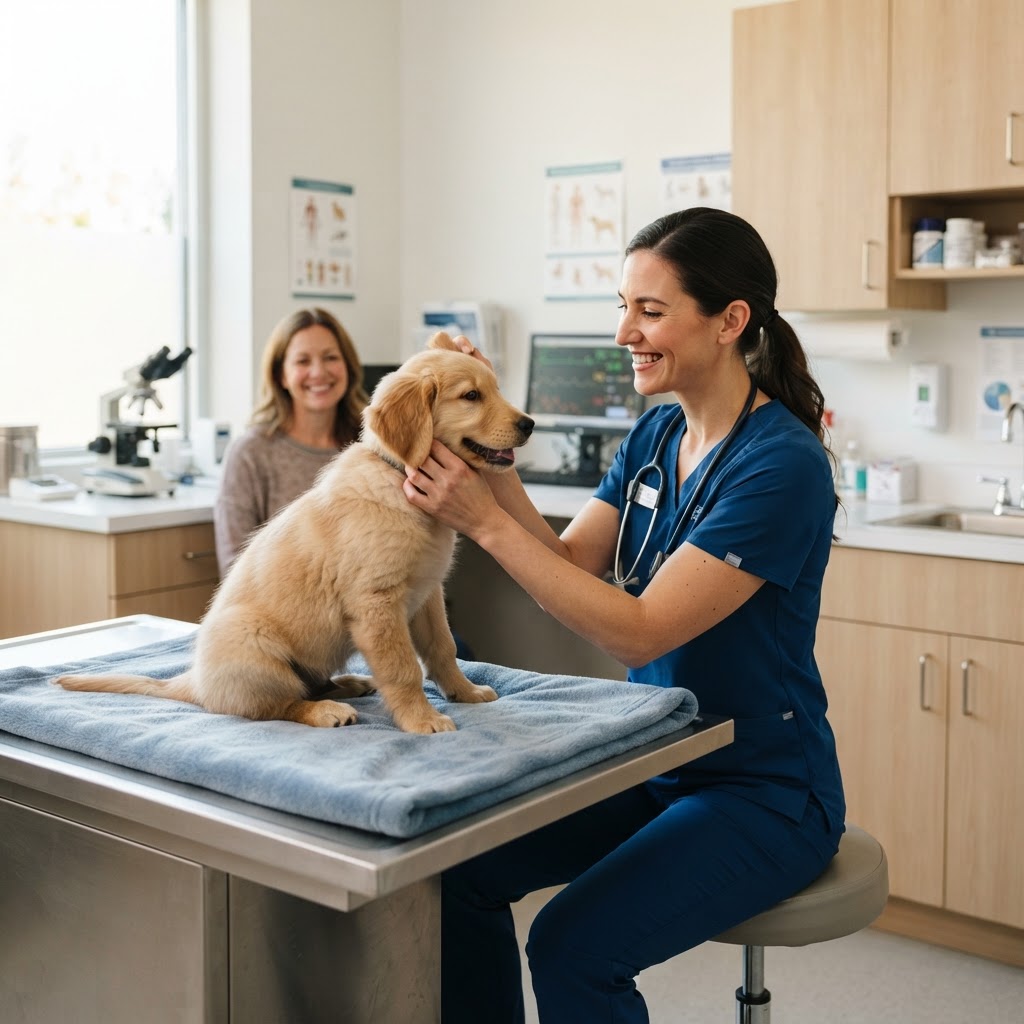
Improving vet clinic exam room efficiency requires a shift from a solo-practitioner mindset to a coordinated team effort. In this "Doctor as Closer" model, the veterinarian enters only when the stage is set. This means the technician has already gathered the history, recorded vitals, and identified the client's primary concerns. When a doctor enters a prepared room, they can focus entirely on high-value clinical tasks. This approach prevents doctors from spending expensive minutes on data entry or searching for supplies. Using a veterinary clinic workflow checklist ensures every handoff is seamless and professional.
A dedicated scribe can further enhance this flow. By handling real-time charting, the scribe allows the doctor to maintain eye contact with the client. This builds trust and ensures medical records are accurate before the patient even leaves the building. If you want more tips on optimizing these roles, consider joining our community of practice managers.
Maximizing Technician Utilization
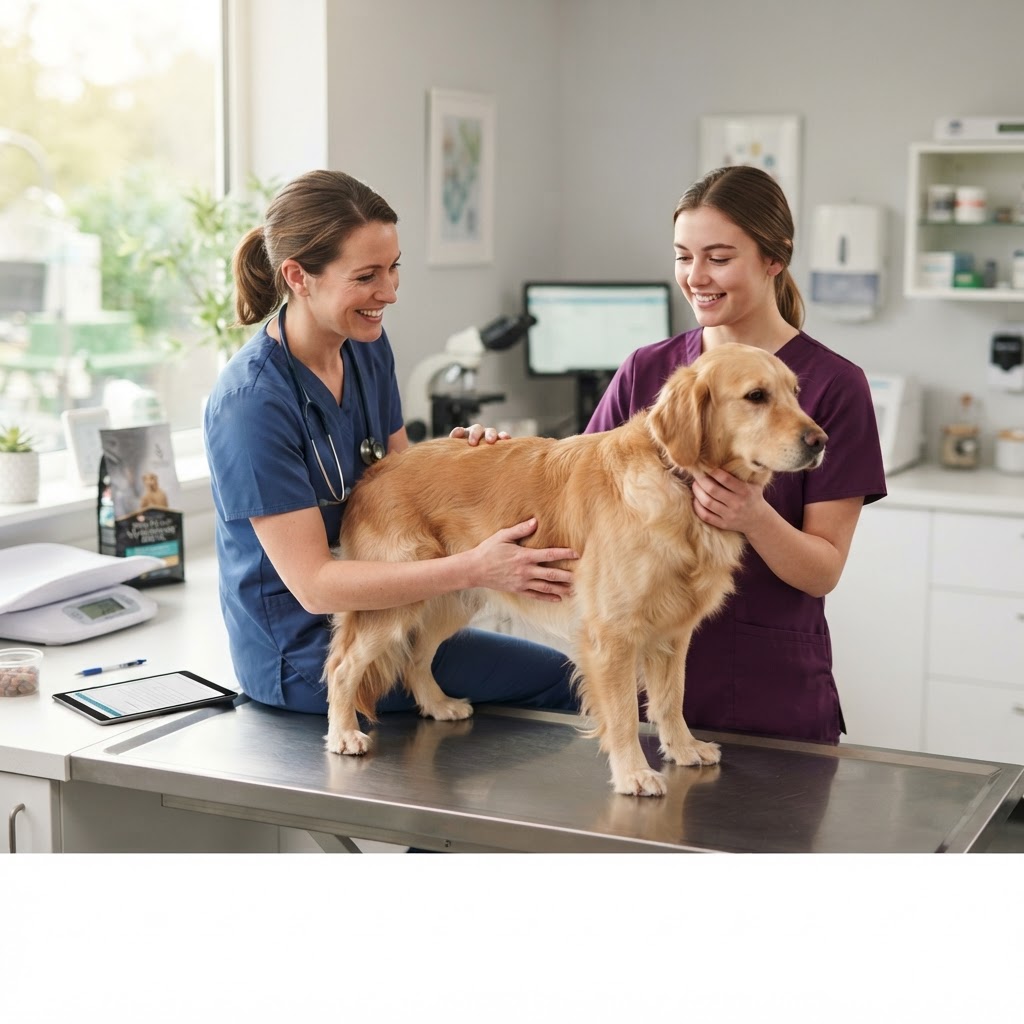
Technicians are the engine of the exam room. They should lead history taking and initial client education on routine topics like parasite prevention. Building a culture of trust is essential here. When doctors delegate these tasks, they must trust that the protocols are being followed. This delegation allows the medical team to work at the top of their licenses. It keeps the schedule moving and makes the staff feel valued.
The 10-Minute Flex Scheduling Strategy
Standard 30-minute blocks often lead to day-long delays. A flex strategy breaks visits into 10-minute increments based on the case type. A wellness visit might involve 10 minutes of tech prep, 10 minutes of doctor exam, and 10 minutes of discharge. Refining your vet clinic scheduling efficiency ensures that your team isn't waiting on a single technician to juggle multiple rooms simultaneously.
The Essential Exam Room Efficiency Checklist
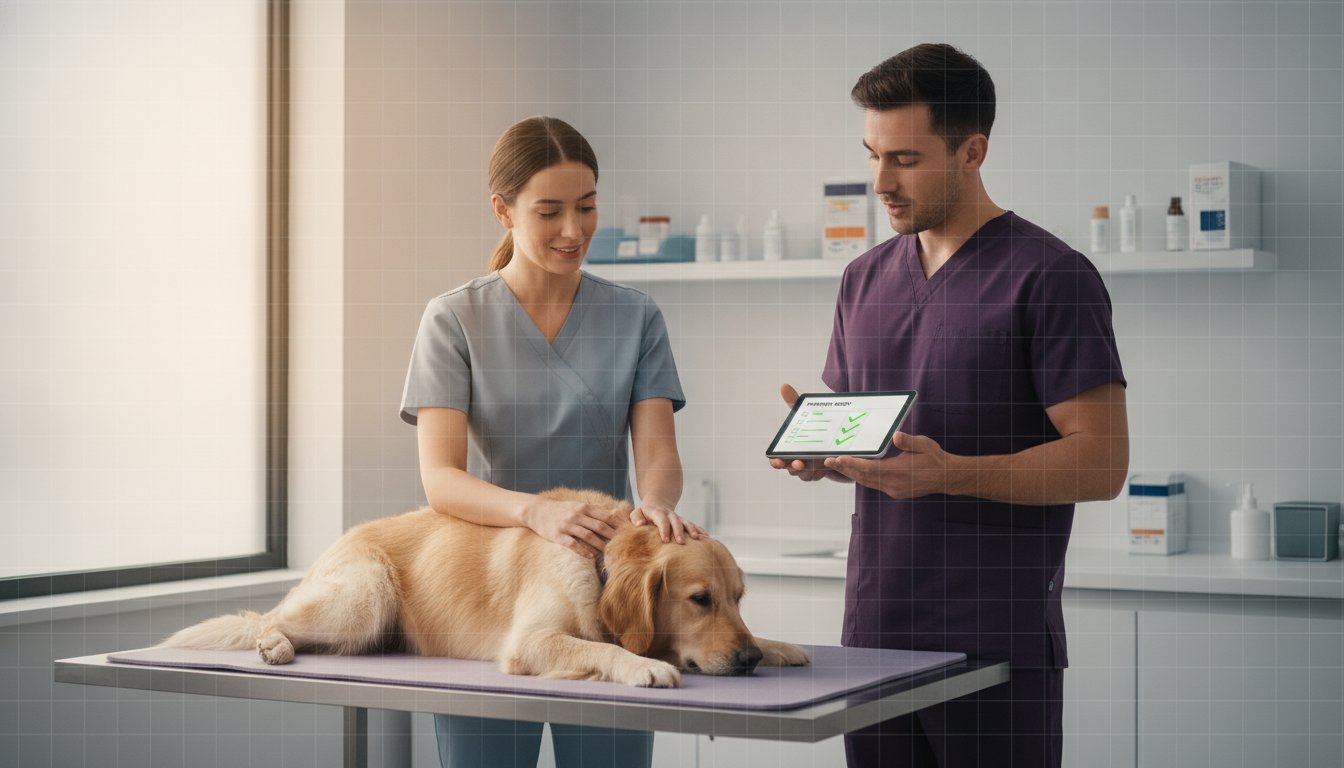
To transform your workflow from reactive to proactive, your team needs a repeatable sequence. High vet clinic exam room efficiency relies on a structured behavior checklist that every staff member follows. Standardizing these steps is the fastest way to boost vet clinic exam room efficiency across the whole practice while ensuring that every minute saved is reinvested into patient care.
- Pre-Exam Prep: Verify the room is stocked with vaccines and diagnostic tools. Review the patient record to anticipate specific needs, such as senior blood work or parasite prevention refills.
- Room Entry: Set the agenda immediately. Ask, "Besides the ear infection, is there anything else we need to cover today?" to prevent late-visit questions.
- The Exam Phase: Maintain a structured flow. While the vet examines the pet, the technician or scribe should document findings or prepare lab samples in real time.
- Discharge and Handover: The veterinarian exits once clinical tasks are complete. The technician then manages final instructions and moves the client to the front desk.
Client Communication and Agenda Setting
Effective communication is a skill that can be measured. You can use the Client Communication Score to evaluate how well your team manages room interactions. When a client goes off-topic, politely redirect them by saying, "That's a great story about the park. To make sure we address his itchy skin today, let's look at these results." For more scripts to help your team, subscribe to our weekly workflow tips.
Where is your workflow slowing down?
Take the free 3-minute GP Clinic Workflow Score and see where your daily workflow is strong, where friction builds up, and what to improve first.
Get Your Workflow ScorePost-Exam Transitions
The transition out of the room is where many schedules fail. You can reduce appointment overrun by finalizing charges and printing treatment plans directly in the exam room. This avoids the bottleneck at the front desk. Use a "warm handover" where the technician walks the client to the CSR and provides a brief summary of the visit and any needed follow up appointments.
Measuring Success with Clinic Benchmarks
Measurement is the bridge between a good idea and a sustainable change. In a busy GP environment, vet clinic exam room efficiency often feels subjective. One doctor might feel fast while another feels bogged down, but without data, these are just perceptions. Tracking Key Performance Indicators (KPIs) like total room time versus actual doctor-in-room time reveals exactly where the handoffs are failing. If a 30 minute visit includes only 8 minutes of doctor time but the room is occupied for 40 minutes, the bottleneck is likely in the technician prep or the final discharge phase.
You can use the GP Practice Benchmark Tool to see how your clinic's metrics align with industry standards. This comparison provides a neutral starting point for setting realistic goals for your vet clinic exam room efficiency. Instead of guessing, you'll have the data to prove that your team is making progress without increasing individual workloads.
Using Data to Empower Your Team
Metrics should be a supportive resource, not a performance hammer. Review efficiency data during monthly team meetings as a collaborative exercise. Identifying specific areas for workflow refinement based on real clinic data allows the team to solve problems together. If the data shows that rooms are consistently waiting for vaccines, it's a signal to adjust inventory placement rather than a critique of individual speed. This approach reduces stress and builds a culture of shared success.
Next Steps for Your Practice
Start by conducting a "Time Study" for one week. Ask your team to track when they enter and exit rooms on a simple log. This raw data will highlight your biggest bottlenecks immediately. To continue improving your operations, sign up for the Helpful.vet Newsletter for more practical tools and benchmarks. Staying informed about operational best practices helps your team stay ahead of the daily schedule.
Disclaimer: This information is for educational and workflow purposes only. Defer to the licensed veterinarian’s professional judgment, patient history, and diagnostic findings for all clinical decisions.
Reclaiming Your Clinical Day through Better Workflow
Transforming your daily schedule starts with a commitment to team coordination rather than individual speed. By adopting a structured checklist and the "Doctor as Closer" model, you allow every team member to work at their full potential. Improving vet clinic exam room efficiency isn't just a way to see more patients; it's a strategy to protect your team from burnout and ensure that every pet owner feels heard.
When you measure your progress with data, you gain the clarity needed to make small, impactful changes that stick. If you're ready to further optimize your practice, join the Helpful.vet Newsletter for more practical clinic tools. You'll receive specialized GP workflow resources and interactive clinic benchmark tools designed to support your team's success. Your team works hard; with the right systems, you can ensure that work is both rewarding and sustainable.
Disclaimer: This information is for educational and workflow purposes only. Defer to the licensed veterinarian’s professional judgment, patient history, and diagnostic findings for all clinical decisions.
Frequently Asked Questions
How can we stop appointments from running late without rushing the clients?
You can stop late running by implementing a "soft start" where technicians begin history taking exactly at the appointment time. This ensures the client feels attended to immediately even if the doctor is finishing a previous case. Setting a clear agenda at the door prevents the visit from drifting into unrelated topics. It's about managing the flow of information rather than cutting the conversation short.
What is the ideal ratio of technicians to veterinarians for exam room efficiency?
Most high-efficiency GP clinics find that a 2:1 or 3:1 technician-to-doctor ratio is ideal. This allows one technician to be in the room while another prepares the next patient or handles a discharge. Having enough support staff ensures the veterinarian never has to wait for a room to be prepped. It is the most effective way to maximize vet clinic exam room efficiency throughout a busy shift.
How do we handle 'oh by the way' questions at the end of a vet visit?
Address these questions by acknowledging the concern and then triaging its urgency. If the issue isn't life-threatening, suggest scheduling a follow-up or a telehealth consult to give the new problem the time it deserves. You might say, "That sounds important; let's book a dedicated time to examine that so we aren't rushed." This respects the current schedule while validating the client’s concern for their pet.
Is it better to have the vet or the technician take the patient history?
It is significantly more efficient for a technician to take the initial history. Technicians are trained to gather essential data and vitals, which allows the veterinarian to review the notes and enter the room with a focused clinical plan. This delegation keeps the doctor available for complex diagnostics and surgery. It also empowers your nursing staff to use their full range of clinical skills during every patient visit.
What are the most important tools for tracking vet clinic efficiency?
The most important tools are interactive benchmarks and communication assessment scores. Using a digital benchmark tool allows you to compare your doctor-in-room time against industry standards. These data-driven resources provide an objective look at where your vet clinic exam room efficiency is succeeding and where small adjustments could reclaim lost time. Tracking these metrics turns guesswork into actionable practice improvements that the whole team can support.

Article by
The Helpful.vet Team
The Helpful.vet Team creates practical resources, tools, and checklists for busy general practice veterinary teams. Our content focuses on clinic workflow, client communication, benchmarks, practice efficiency, and everyday tools that help veterinary professionals work with more clarity.
Disclaimer
Helpful.vet provides educational and workflow-related information for veterinary professionals. Content on this site does not provide medical advice, diagnosis, or treatment recommendations and should not replace the judgment of a licensed veterinarian. Clinical decisions should always be made using patient-specific history, examination findings, diagnostics, applicable guidelines, and professional judgment.

Sample Hubspot User
ContributorA veterinary professional contributing practical insights to Helpful.vet.
More about Helpful.vetMedical disclaimer: Helpful.vet provides educational and workflow-related information for veterinary professionals. It does not provide medical advice, diagnosis, or treatment recommendations. Clinical decisions should always be made by a licensed veterinarian using patient-specific history, examination findings, diagnostics, and professional judgment. See our full medical disclaimer.
Get more practical GP tools in your inbox
Short, useful resources for veterinary practice teams.