Veterinary Client Education Workflow: A Guide for GP Clinics
Discover practical strategies to streamline your veterinary client education workflow. Learn how to improve pet owner health literacy, boost compliance, and save time in the exam room.
By Helpful.vet Team
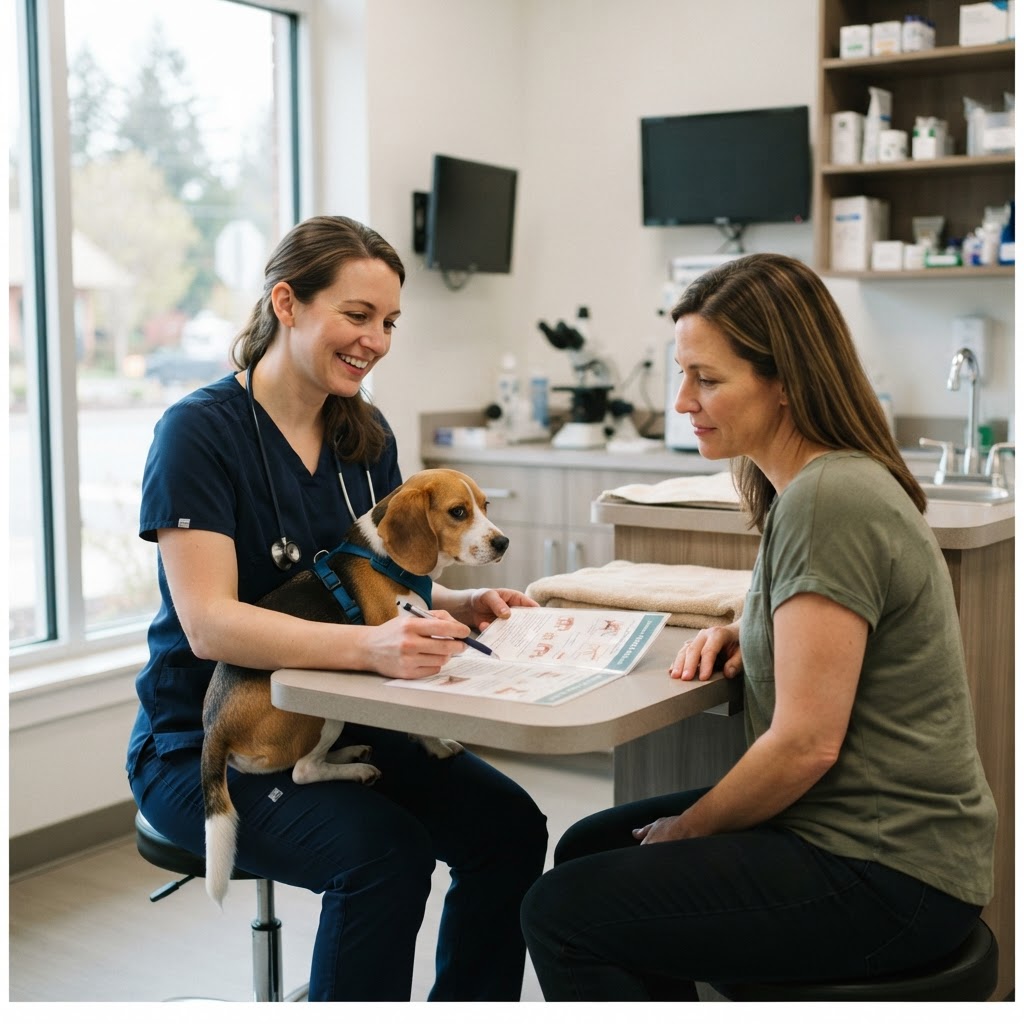
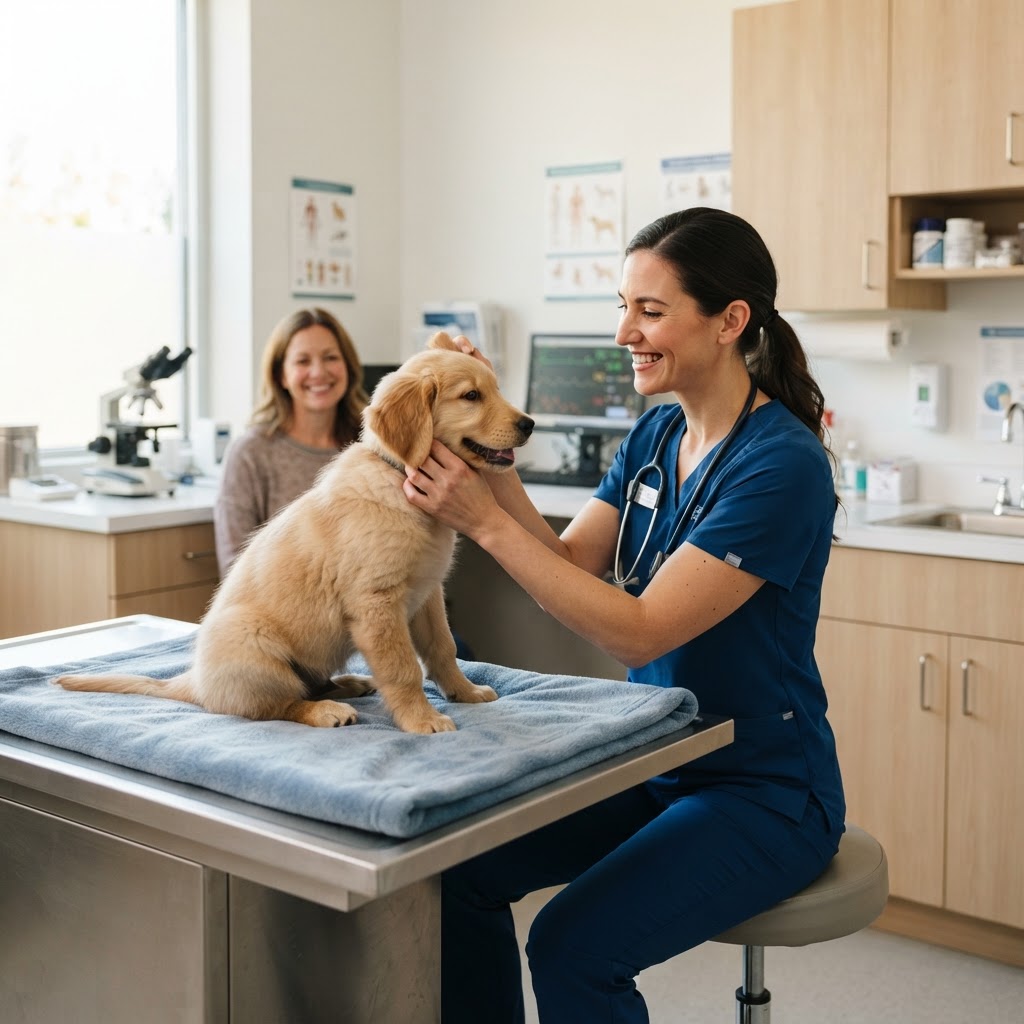
Implementing a standardized veterinary client education workflow is one of the most effective ways to improve patient outcomes, boost treatment compliance, and save your general practice (GP) team valuable time. When pet owners understand the "why" behind your medical recommendations, they are far more likely to approve estimates and follow through with at-home care. However, in a busy GP clinic, finding the time to thoroughly educate every client can feel impossible.
This guide breaks down how to build an efficient, repeatable veterinary client education workflow that spans the entire client journey—from before they arrive at the clinic to long after they leave. By leveraging technology, delegating to your team, and focusing on health literacy, you can ensure clients get the information they need without bottlenecking your daily schedule.
The ROI of a Standardized Educational Workflow
Client education is not just a nice-to-have; it is a core driver of practice growth and clinical success. According to industry data, practices that prioritize structured communication see higher client retention rates and increased average transaction values. A proactive educational workflow prevents the "5 PM callback" phenomenon, where clients call the front desk with questions that should have been answered during the appointment.
To see where your practice currently stands, consider using our Client Communication Score tool to benchmark your team's effectiveness.
Step 1: Pre-Appointment Education
The veterinary client education workflow should begin before the client even steps foot in the clinic. By setting expectations early, you prime the client for the conversation to come.
- Automated Appointment Reminders: Include links to brief, relevant articles or videos in your appointment reminder emails. For example, if a puppy is coming in for its first visit, link to a vetted article on core vaccines and parasite prevention.
- Digital Intake Forms: Use digital forms to ask targeted questions about the pet's diet, behavior, and current medications. This allows the veterinary team to prepare specific educational materials ahead of time.
- Website Resource Libraries: Maintain a library of trusted resources on your clinic's website. Directing clients to this library establishes your practice as the primary source of truth, reducing their reliance on "Dr. Google."
Step 2: In-Clinic Education Strategies
The exam room is where the most critical education happens, but it is also where time is tightest. Efficiency here relies on teamwork, visual aids, and clear communication.
Where is your workflow slowing down?
Take the free 3-minute GP Clinic Workflow Score and see where your daily workflow is strong, where friction builds up, and what to improve first.
Get Your Workflow ScoreDelegating to Veterinary Technicians
Veterinary technicians and assistants should be empowered to handle routine educational topics. Whether it is demonstrating how to clean ears, explaining the life cycle of a flea, or discussing basic nutritional guidelines, delegating these tasks frees up the veterinarian to focus on diagnosis and complex treatment plans. Ensure your team is aligned on the messaging so the client hears a consistent recommendation.
Using Visual Aids and Models
Visual aids dramatically improve health literacy. Keep anatomical models (like a canine knee or a feline jaw) and laminated diagrams in every exam room. When explaining a condition like periodontal disease, showing a visual representation of bone loss is far more impactful than simply describing it.
Practicing Plain Language
Veterinary professionals often suffer from the "curse of knowledge," using medical jargon that overwhelms clients. A successful veterinary client education workflow requires translating clinical terms into plain language. Instead of saying "pruritus," say "severe itching." Instead of "renal failure," explain that the "kidneys are having trouble filtering waste."
Step 3: Post-Appointment Reinforcement
Retention of information drops significantly once a client leaves the high-stress environment of the exam room. Post-appointment reinforcement is crucial for compliance.
- Detailed Discharge Notes: Provide written discharge instructions that summarize the diagnosis, treatment plan, and at-home care steps. Use bullet points and bold text for readability.
- Curated Handouts: Keep a stock of pre-approved, branded handouts for common conditions (e.g., osteoarthritis, diabetes, allergies). Handing a physical document to a client provides a tangible reminder of the visit.
- Video Libraries: Consider recording short videos of your staff demonstrating common tasks, such as administering subcutaneous fluids or giving a cat a pill. Link to these videos in the discharge notes.
To evaluate how well your discharge process is functioning, you can utilize our GP Clinic Workflow Score tool.
Building Your Educational Library
You do not need to create every piece of educational content from scratch. Leverage materials provided by trusted industry partners, veterinary associations (like the AVMA), and reputable platforms. Audit your current handouts for readability—aim for a 6th to 8th-grade reading level to ensure maximum comprehension.
Training Your Team on Health Literacy
A workflow is only as good as the team executing it. Dedicate time during staff meetings to role-play common client conversations. Practice introducing educational materials empathetically and answering frequently asked questions. When the entire team is confident in their communication skills, the veterinary client education workflow becomes a seamless part of the daily routine, ultimately leading to healthier patients and a more efficient practice.

Helpful.vet Team
ContributorA veterinary professional contributing practical insights to Helpful.vet.
More about Helpful.vetFrequently asked questions
Delegate routine educational topics to veterinary technicians and utilize pre-appointment digital resources. Providing written handouts and links to video demonstrations in discharge notes also reduces the need for lengthy in-room explanations.
Keep materials concise, use bullet points, and ensure they are written at a 6th to 8th-grade reading level. Verbally highlight the most important section of the handout during the appointment to draw their attention to it.
Acknowledge their research without being dismissive, then gently pivot to evidence-based information. Provide them with a curated list of trusted websites and your own clinic's resource library to guide their future searches.
Medical disclaimer: Helpful.vet provides educational and workflow-related information for veterinary professionals. It does not provide medical advice, diagnosis, or treatment recommendations. Clinical decisions should always be made by a licensed veterinarian using patient-specific history, examination findings, diagnostics, and professional judgment. See our full medical disclaimer.
Get more practical GP tools in your inbox
Short, useful resources for veterinary practice teams.