Pet Insurance Communication: A Workflow Guide for GP Teams
Discover how to integrate pet insurance communication into your daily GP clinic workflow. Equip your front desk, vet techs, and veterinarians with practical talking points to reduce financial friction and improve patient care.
By Helpful.vet Team
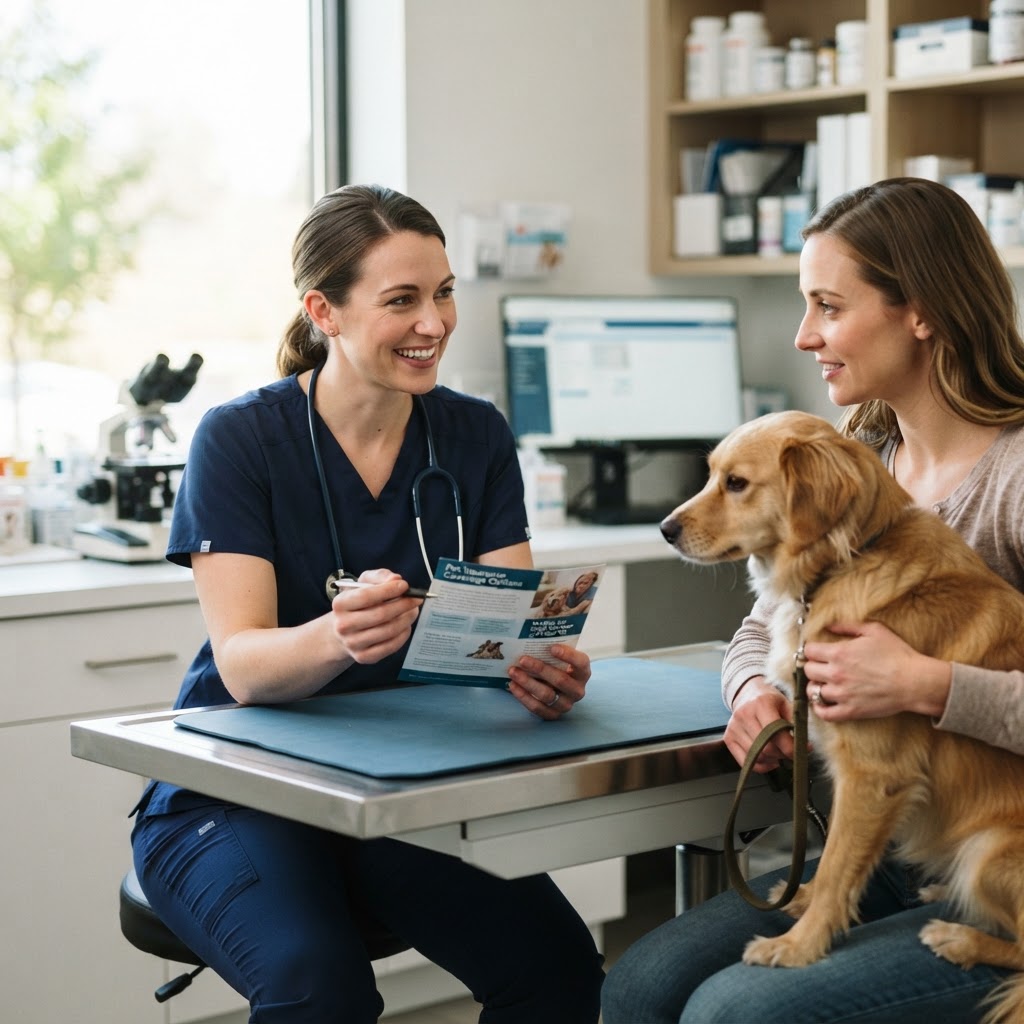
Effective pet insurance communication is no longer just a nice-to-have skill for general practice (GP) veterinary teams; it is a critical component of modern veterinary care. When clients have financial support for their pets' healthcare, they are significantly more likely to accept comprehensive treatment plans, follow through with preventive care, and avoid the heartbreaking reality of economic euthanasia. However, many GP clinics struggle to integrate these conversations naturally into their daily workflows without sounding like salespeople.
This guide provides a practical, step-by-step workflow for embedding pet insurance communication into your clinic's routine, ensuring that every team member—from the front desk to the veterinarian—knows exactly what to say and when to say it.
Why Proactive Conversations Matter
Financial friction is one of the leading causes of standard-of-care drift in veterinary medicine. According to the American Veterinary Medical Association (AVMA), having pet health insurance makes it more likely that owners will follow their veterinarian’s recommendations. Proactively educating clients about insurance helps pets get the care they need while supporting the financial health of the practice.
To evaluate how well your team currently handles these and other critical conversations, consider using our Client Communication Score tool to establish a baseline.
Front-Desk Workflow: Capturing Status at Intake
The front desk sets the tone for the entire visit. The goal here is not to sell a policy, but to gather information and plant the seed for future discussions.
New Client Registration
As noted in industry operational guides like Pet Insurance at Your Vet Practice: Setup & Workflow, capturing insurance status at intake is essential. Add a mandatory field to your new-client forms and Practice Information Management System (PIMS) to record the insurer and policy status. You cannot run a smooth claim or tailor your communication if you never collected the baseline information.
Check-In Talking Points
- For new clients: "I see you left the pet insurance section blank on your intake form. Do you currently have a policy for Bella, or would you like some general information on how it works?"
- For returning clients: "Are we still submitting claims to [Insurance Company Name] for Max today?"
Exam Room Workflow: Tech and Vet Roles
Once the patient is in the exam room, veterinary technicians and veterinarians can build on the front desk's initial inquiry. The focus should remain on educating clients about the general advantages of coverage rather than endorsing a specific company, aligning with recommendations from AAHA's Team talking points for pet insurance.
Where is your workflow slowing down?
Take the free 3-minute GP Clinic Workflow Score and see where your daily workflow is strong, where friction builds up, and what to improve first.
Get Your Workflow ScoreThe Veterinary Technician Role
Technicians are often the most trusted educators in the clinic. While taking the patient's history, techs can naturally weave insurance into the conversation, especially for puppies, kittens, or breeds prone to specific genetic conditions.
- Puppy/Kitten visits: "Since Charlie is just starting his vaccine series, now is the perfect time to look into pet insurance before any pre-existing conditions pop up. It can be a lifesaver for unexpected emergencies or illnesses down the road."
- Adult wellness exams: "I noticed you don't have pet insurance on file. As pets age, we often see more chronic conditions like arthritis or dental disease. Having a policy can really help manage those costs."
The Veterinarian Role
The veterinarian's role is to tie the financial tool directly to clinical outcomes. When presenting a treatment plan, knowing a client's insurance status allows the vet to frame the conversation appropriately.
- If insured: "Since Daisy is covered by insurance, let's get this diagnostic panel sent out today. Our team will provide you with the itemized invoice so you can submit your claim right away."
- If uninsured (during a high-cost estimate): "I know this treatment plan is a significant investment. For the future, many of our clients find that pet insurance helps them budget for these unexpected medical needs. We have some educational brochures at the front desk if you'd like to learn more."
Navigating Payment Models with Clients
A common point of confusion for pet owners is how they actually pay for services when they have insurance. Your team must be prepared to explain the two primary payment models clearly.
The Reimbursement Model
This is the default for most pet insurance companies. The client pays the veterinary invoice in full at the time of service, files a claim, and the insurer reimburses them later. Your practice’s role is to provide accurate medical records and itemized invoices promptly. Ensure clients understand that they still need the funds available upfront.
The Direct Pay Model
Some modern insurers offer direct pay, where the insurer pays the practice its portion at checkout, and the client pays only their deductible and co-insurance. If your clinic participates in direct pay software, highlight this to clients, as it removes the massive hurdle of needing thousands of dollars available at checkout.
Training Your Team for Consistency
To make pet insurance communication a permanent part of your clinic's culture, it must be trained and measured. Dedicate a monthly staff meeting to role-playing these conversations. Provide your team with a simple, laminated cheat sheet of talking points for the front desk, treatment area, and exam rooms. By normalizing these discussions, you empower your clients to make the best medical decisions for their pets without the heavy burden of financial anxiety.

Helpful.vet Team
ContributorA veterinary professional contributing practical insights to Helpful.vet.
More about Helpful.vetFrequently asked questions
No, it is generally best practice to educate clients on the overall benefits of pet insurance rather than endorsing a specific provider. You can provide a list of reputable companies or direct them to independent comparison websites so they can choose the best policy for their family's needs.
The front desk should frame the question as a standard part of record-keeping. Simply asking, 'Do you currently have pet insurance we should keep on file?' during check-in normalizes the topic and opens the door for further education if the client says no.
In the reimbursement model, the client pays the vet bill in full at checkout and waits for the insurance company to pay them back. In a direct pay model, the insurance company pays the clinic directly for covered costs, meaning the client only pays their deductible and co-insurance at the time of service.
Medical disclaimer: Helpful.vet provides educational and workflow-related information for veterinary professionals. It does not provide medical advice, diagnosis, or treatment recommendations. Clinical decisions should always be made by a licensed veterinarian using patient-specific history, examination findings, diagnostics, and professional judgment. See our full medical disclaimer.
Get more practical GP tools in your inbox
Short, useful resources for veterinary practice teams.