Veterinary Client Engagement Strategies for GP Clinics
Learn actionable veterinary client engagement strategies to build trust, improve treatment compliance, and reduce administrative burden in your general practice.
By Helpful.vet Team
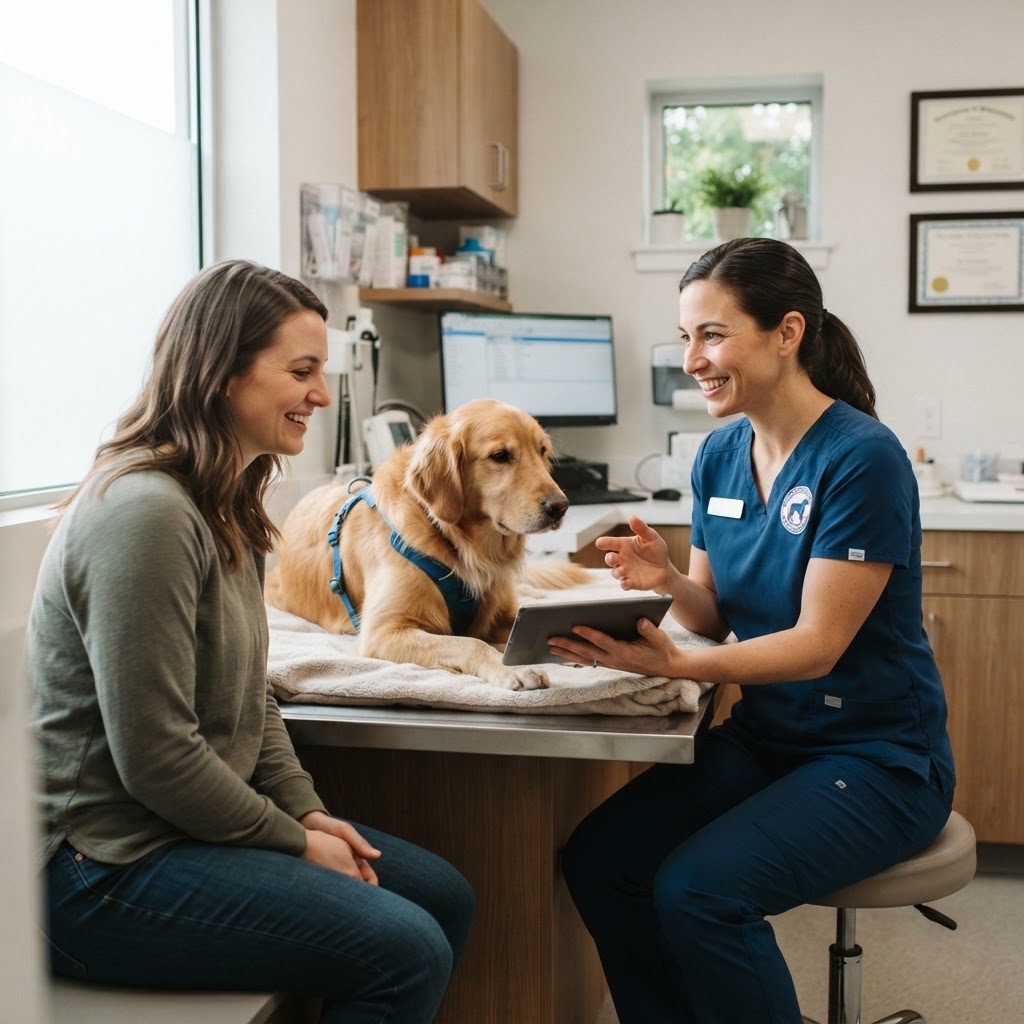
Implementing effective veterinary client engagement strategies is no longer just a marketing initiative; it is a core operational requirement for busy general practice clinics. When pet owners feel connected, informed, and valued, they are more likely to comply with treatment recommendations, attend preventive care appointments, and remain loyal to your practice. In contrast, poor communication and disjointed workflows often lead to missed appointments, declined treatments, and client churn.
The Foundation of Client Engagement
Client engagement encompasses every touchpoint a pet owner has with your clinic, from the initial appointment request to the post-visit follow-up. A successful strategy relies on consistency, transparency, and convenience. By standardizing these interactions, your team can build trust without adding hours of administrative work to their daily routines. To evaluate your current baseline, consider using our Client Communication Score tool.
Automate Routine Communications
One of the most impactful veterinary client engagement strategies is automating routine communications. Relying on front desk staff to manually call every client for appointment reminders or routine lab results is inefficient and prone to error.
Appointment Reminders
Missed appointments drain revenue and disrupt the clinic's daily flow. Implement automated reminder sequences via SMS and email. A standard workflow includes a confirmation request 72 hours before the visit, a reminder 24 hours prior, and a brief text message two hours before the appointment. Ensure your system allows clients to easily reschedule online if their plans change, which significantly reduces no-show rates.
Post-Visit Follow-Ups
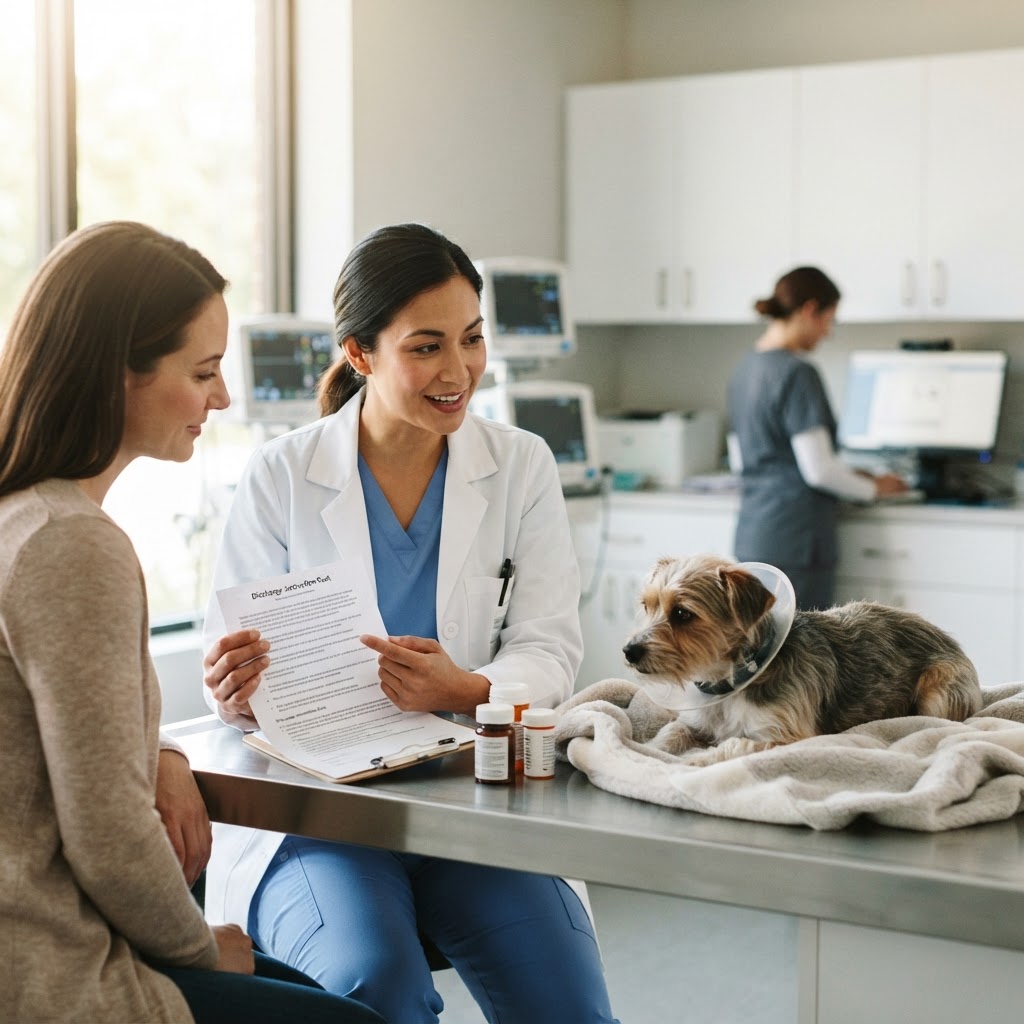
The appointment does not end when the client walks out the door; it ends when the patient is recovering as expected. Automated post-visit check-ins are a high-leverage engagement tactic. A simple text or email sent 24 to 48 hours after a sick-pet visit asking, 'How is your pet doing today?' shows proactive care. If the client responds with concerns, the system can flag the message for a technician to review.
Relationship-Centered Care in the Exam Room
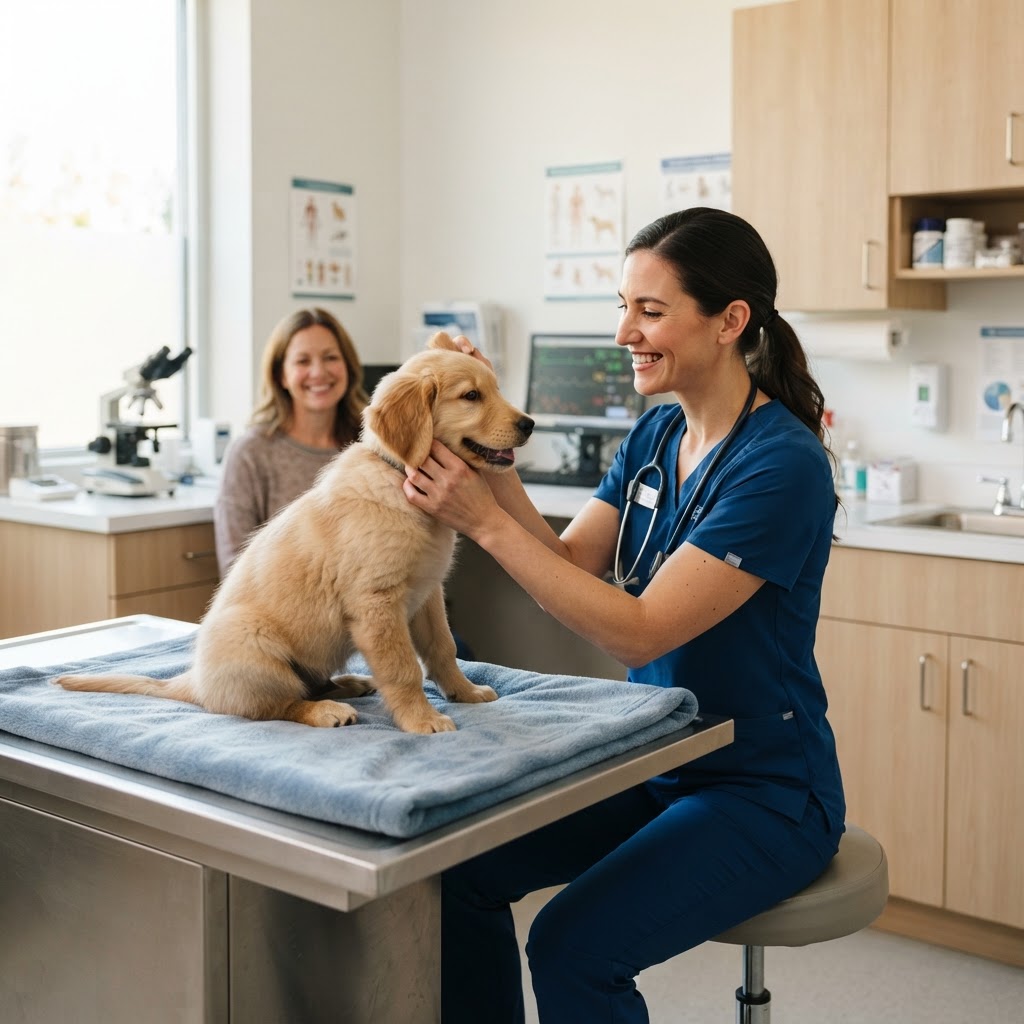
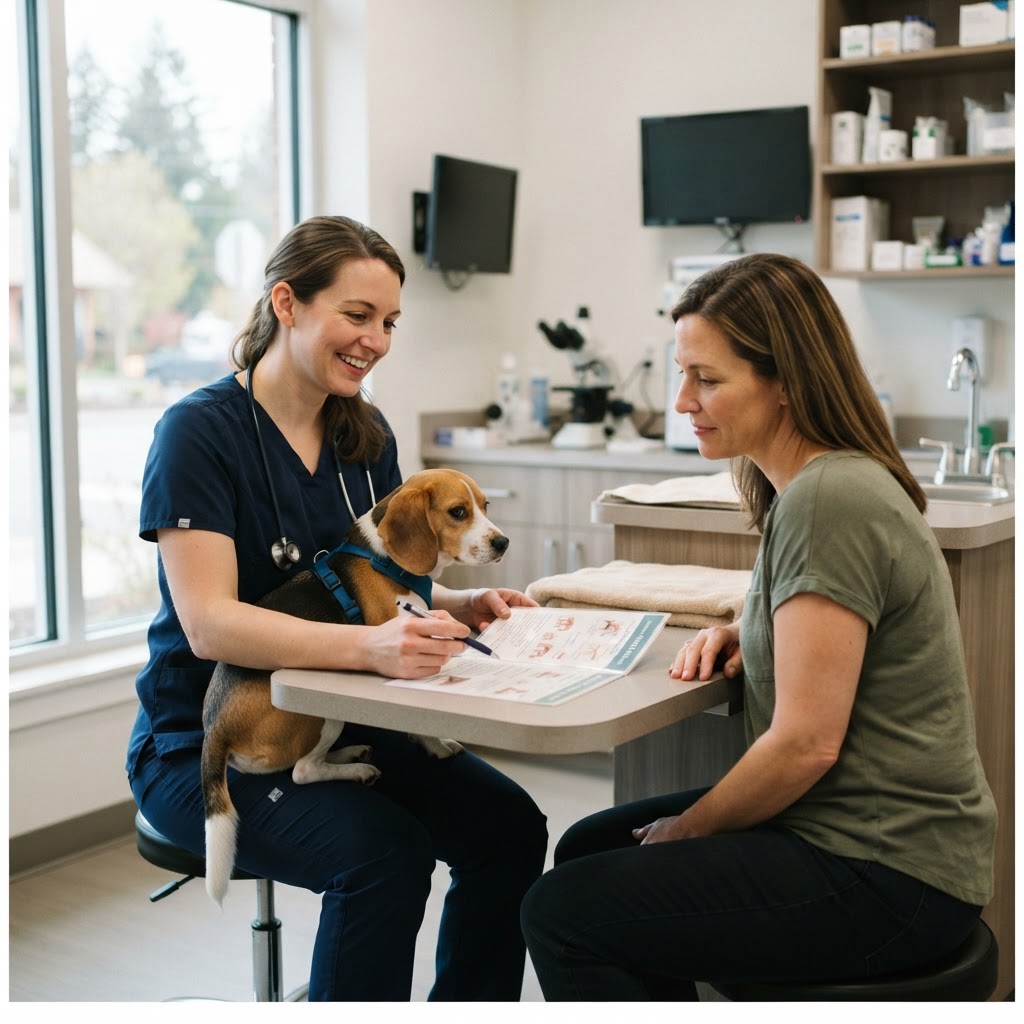
Technology cannot replace the human element of veterinary medicine. Relationship-centered care treats shared decision-making as central to good patient outcomes. This means actively soliciting the client's perspective and communicating in a way that positions them as a partner in their pet's care.
Where is your workflow slowing down?
Take the free 3-minute GP Clinic Workflow Score and see where your daily workflow is strong, where friction builds up, and what to improve first.
Get Your Workflow ScoreTransparent Treatment Plans
Client resentment rarely stems from the price of care; it usually comes from the surprise of the final bill. Always discuss the clinical reasoning behind a recommendation before presenting the cost. Provide a written estimate before any work begins, get explicit approval, and offer alternative options if the ideal plan is financially out of reach. Invoicing should never include line items the client has not already approved.
Reduce In-Room Distractions
Full engagement requires eye contact and an open posture. If veterinarians are staring at a keyboard during the consultation, the client connection suffers. Use pre-populated templates for routine visits, delegate documentation tasks to credentialed technicians where appropriate, or utilize dictation tools immediately after the appointment to keep the focus entirely on the patient and the owner.
Streamline the Checkout Experience
The checkout process is the final impression a client takes home. Long wait times at the front desk can sour an otherwise excellent clinical visit. Gradually introduce digital tools like secure online payment links or in-app payments. Allowing clients to pay from their phones in the exam room or immediately after leaving the clinic reduces front desk congestion and improves overall satisfaction.
Leverage Client Engagement Tools
Modern veterinary practice management systems often include or integrate with dedicated client engagement platforms. When evaluating these tools, look for features that embed seamlessly into your daily workflows. Real-time syncing of appointment confirmations, integrated messaging, and digital refill requests can save your team hours each week. A robust client portal or mobile app empowers pet owners to access their pet's records, view upcoming due dates, and request medication refills on their own schedule. To see how your technology stack compares to industry standards, review our GP Practice Benchmark Tool.
Continuous Improvement and Feedback
Finally, consistently measure the success of your veterinary client engagement strategies. Send brief, automated satisfaction surveys after appointments to gauge wait times, staff friendliness, and the clarity of the veterinarian's instructions. Use this data during regular team meetings to identify workflow bottlenecks and celebrate communication wins.

Helpful.vet Team
ContributorA veterinary professional contributing practical insights to Helpful.vet.
More about Helpful.vetFrequently asked questions
The key is automation and delegation. Utilize your practice management software to automate appointment reminders, post-visit check-ins, and routine survey requests. This frees up your front desk staff to focus on clients currently in the building.
For routine wellness visits, a follow-up within 24 hours thanking them for their visit is sufficient. For sick-pet visits or surgical discharges, an automated check-in 24 to 48 hours post-visit is ideal to catch any early complications or client concerns.
High-quality engagement tools feature two-way integration with your PIMS. This means when a client confirms an appointment or updates their contact info via an app or text, the data automatically syncs to the patient's official medical record without manual data entry.
Medical disclaimer: Helpful.vet provides educational and workflow-related information for veterinary professionals. It does not provide medical advice, diagnosis, or treatment recommendations. Clinical decisions should always be made by a licensed veterinarian using patient-specific history, examination findings, diagnostics, and professional judgment. See our full medical disclaimer.
Get more practical GP tools in your inbox
Short, useful resources for veterinary practice teams.